
A property marketing manager once told me she’d hired a studio off a beautiful portfolio, no call, no test project, no references checked. Three weeks later she was renegotiating a deadline because the studio’s “three-day turnaround” only applied to simple interiors, not the tower exterior she’d actually ordered.
To vet an architectural rendering partner properly means verifying, before you commit budget or a deadline to them, that a studio’s actual turnaround, revision policy, and quality match what their portfolio and sales pitch imply, not just trusting the pitch.
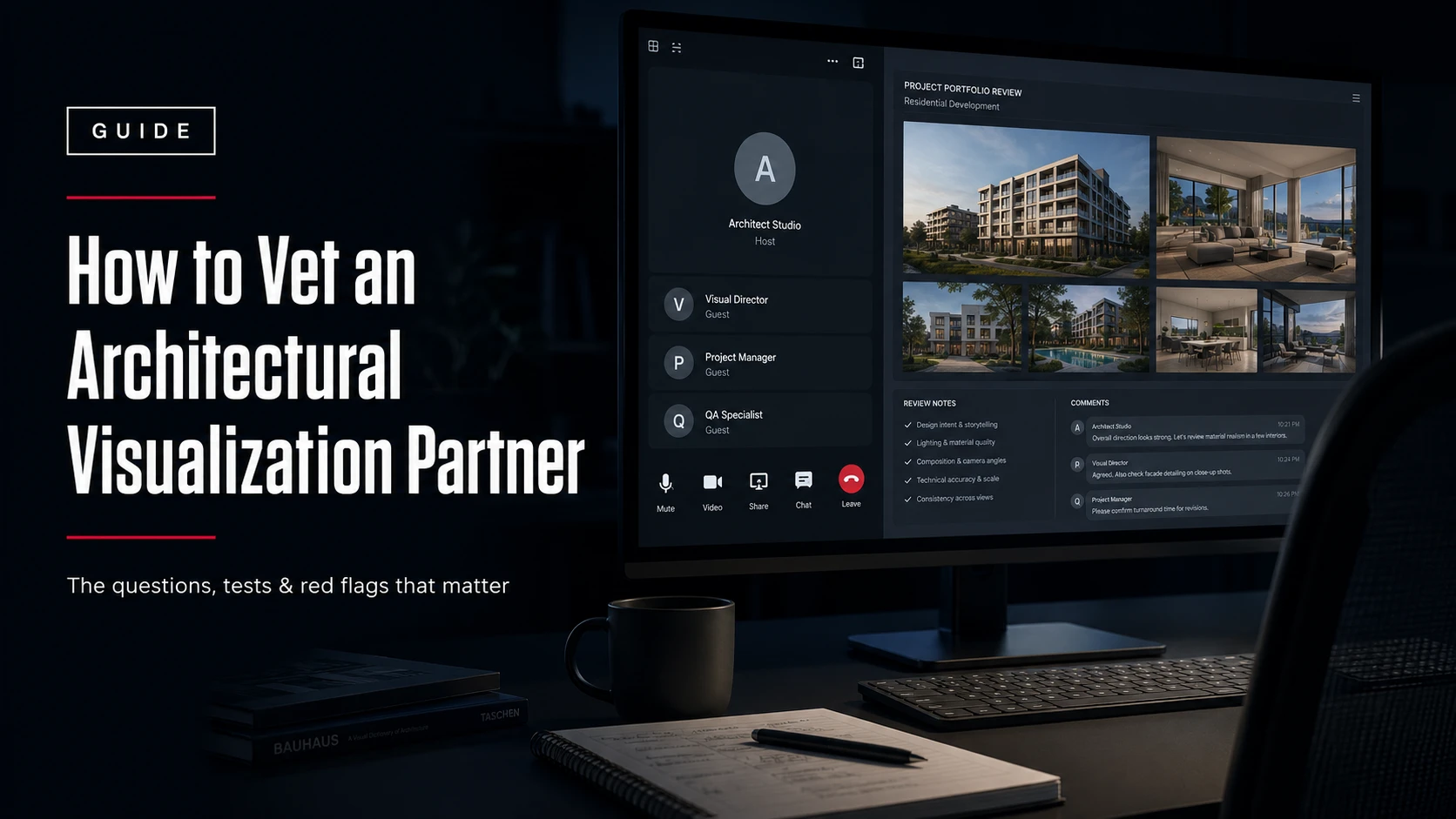
This isn’t the same question as which type of provider to use. That’s a broader decision. This is the tactical playbook for the call, the questions, and the test project that separate a studio you can trust with a real deadline from one you’re about to find out about the hard way.
Vet the process, not just the portfolio.
Why vet an architectural rendering partner instead of trusting the portfolio?
A portfolio shows the best work a studio has ever produced, curated by the studio itself. It says nothing about their average turnaround, how they handle a rushed revision, or what happens when your point of contact is out sick during your submission week.
The gap between portfolio and process is where most bad outsourcing experiences actually happen. The renders were fine. The reliability wasn’t.
Portfolios sell the ceiling. Vetting finds the floor.
What questions should you ask on the first call?
Skip the questions their website already answers. Ask the ones that reveal how they actually operate.
1. “Walk me through your last project that was similar in scope to mine.” You’re listening for specifics, not a generic process description.
2. “What happens if my point of contact is unavailable during a deadline week?” A real studio has a backup answer ready. A freelancer or a thin operation hesitates here.
3. “How many revision rounds are included, and what counts as a revision versus a new task?” Get the actual definition, not just a number.
4. “What’s your average turnaround for a project like mine, not your fastest one?” Fastest-case answers are marketing. Averages are operations.
5. “Can I speak to a current or recent client in my industry?” Note how quickly and specifically they offer one.
6. “Who owns the final files, and can I get source scenes, not just rendered images?” This should have a clear, immediate answer, not a pause.
Six questions, twenty minutes, most of what you need to know.
What should a test project look like?
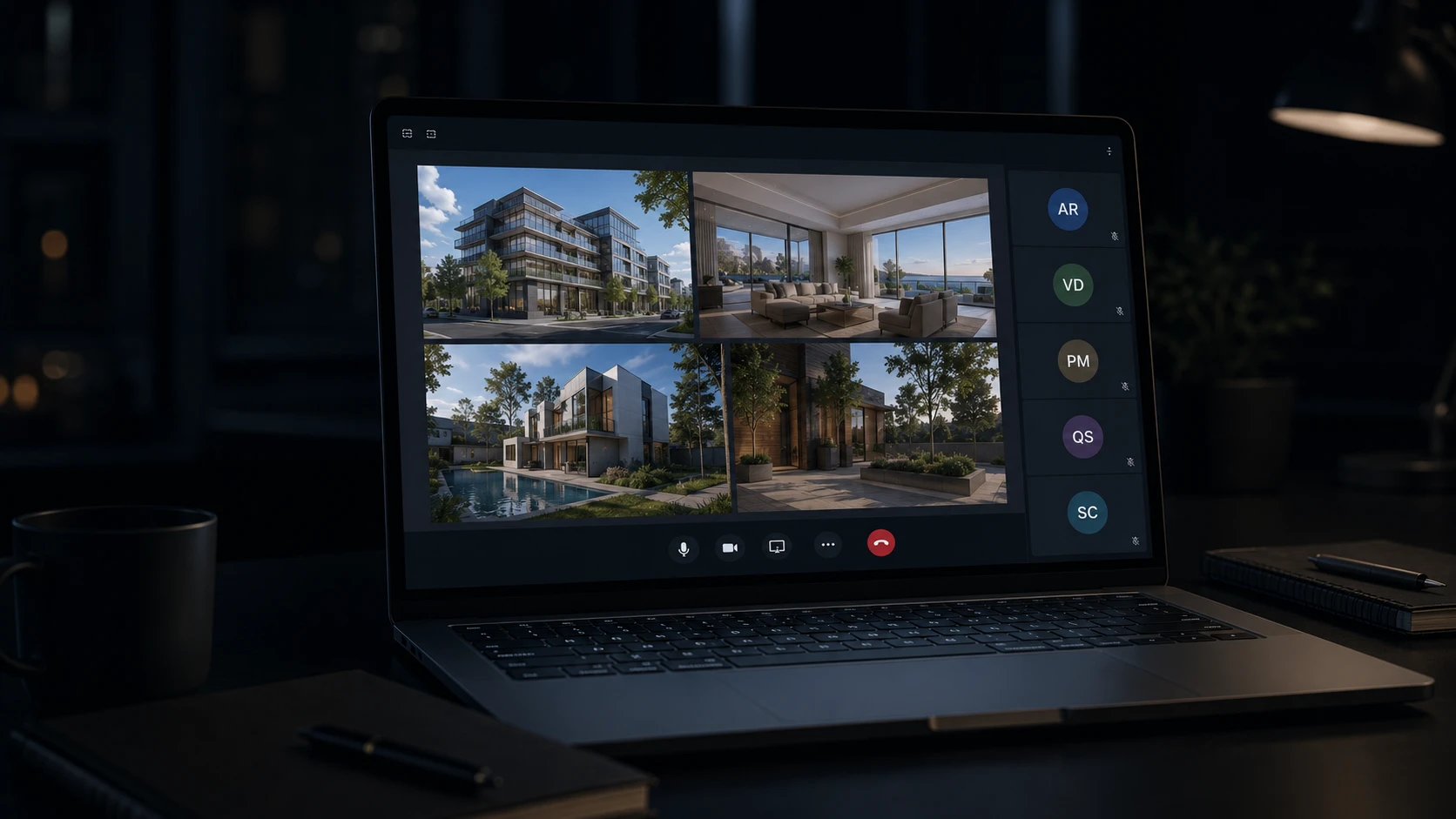
Before committing a real deadline to a new studio, a small paid test project is the single highest-signal step in the whole process. It should be scoped narrow enough to finish in under a week, but real enough to reflect your actual project type, not a generic sample.
Pay for it. An unpaid test attracts a studio’s B-team or gets deprioritized behind paying clients, which defeats the point of testing their real capability.
Set a real deadline for the test, even a short one, and watch whether they hit it, communicate proactively if they’re going to miss it, and how they handle your first round of feedback. That behavior is what you’re actually buying on the real project.
A paid test buys you the truth. A free one buys you their B-team.
How do you check references properly?
Asking “can I have a reference” gets you a name selected specifically because they’ll say something nice. The value is in what you ask that reference, not whether one exists.
Ask a reference about a time something went wrong and how the studio handled it, not just whether they were happy overall. Ask specifically about communication during a deadline crunch, since that’s the scenario most likely to repeat in your own project. And ask whether they’d hire the same studio again for a harder, more time-sensitive project, not just a similar one.
Ask about the bad day, not the good outcome.
What should be in the written agreement before work starts?
Verbal answers on the intro call are a starting point, not a substitute for what’s actually written down before files change hands. For a plain-English breakdown of what a non-disclosure agreement should cover, see Investopedia’s guide to NDAs.
| Agreement term | What it should specify | Why it matters |
| NDA | What counts as confidential, and how long it applies after the project ends | Protects unreleased projects, especially real estate launches |
| Revision policy | Exact number of included rounds and a working definition of “minor” vs. “major” change | Prevents billing disputes mid-project |
| Ownership of files | Whether you receive source scenes or only finished renders, and who can reuse them | Determines whether you can revise the work later without going back to the same studio |
| Turnaround commitment | A specific date, not a range, tied to a defined scope | A range with no defined scope isn’t a commitment |
| Late-delivery terms | What happens if the studio misses the agreed date | Sets real accountability instead of just goodwill |

What are the red flags during the vetting process itself?
How a studio behaves while you’re still deciding whether to hire them tells you almost everything about how they’ll behave once you have.
| Behavior during vetting | What it usually means |
| Vague or shifting turnaround estimates | Either disorganized scheduling or willingness to overpromise to win the deal |
| Reluctance to offer a paid test project | Low confidence in consistent quality, or an unwillingness to prove it |
| No named point of contact, only a general inbox | No real account ownership if something goes wrong mid-project |
| Pressure to sign or pay before answering basic process questions | A sales-first operation rather than a process-first one |
| References that can’t be independently verified | Possibly fabricated or hand-picked beyond the point of usefulness |
How they sell you is how they’ll manage you.
How do you evaluate the first draft you receive?
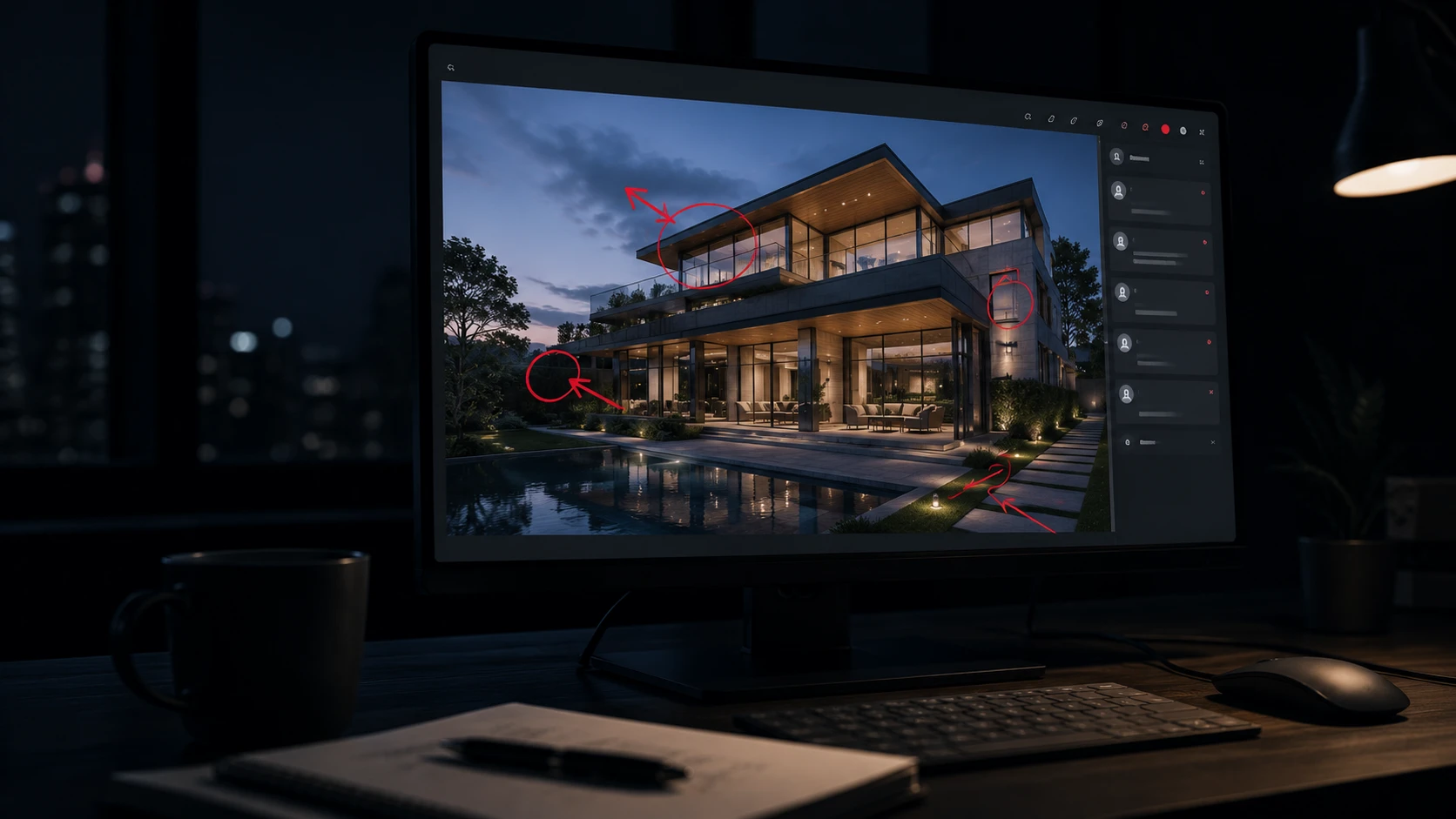
The first draft on a real project, not the test, is the last checkpoint before you’re fully committed to this studio for the work ahead.
1. Check it against the original brief line by line, not just against what looks visually appealing.
2. Confirm material accuracy specifically: does the glass, stone, or wood actually match your references, or just look plausible?
3. Time how long the first round of revision feedback takes to get a response, since that pace should hold for the rest of the project.
4. Ask directly whether this draft reflects their standard quality control pass, or a rougher first cut before their own internal review.
The first draft tells you what every future draft will look like.
FAQ
What questions should I ask before hiring a 3D rendering studio?
Ask about their turnaround on a project similar to yours, what happens if your point of contact is unavailable, their exact revision policy, and whether you can speak to a recent client in your industry. Avoid questions their website already answers. These prompts are exactly how you vet an architectural rendering partner before signing anything.
Should I pay for a test project before hiring a rendering company?
Yes. A paid test project scoped to your actual project type is the highest-signal step in vetting a new studio. Unpaid tests often get deprioritized behind paying clients, which defeats the purpose.
How do I check references for a rendering studio?
Ask specifically about a time something went wrong and how the studio handled it, not just whether the client was happy overall. Ask about communication during a deadline crunch and whether they’d hire the studio again for a harder project.
What should be in an NDA with an architectural rendering company?
It should specify exactly what counts as confidential, how long that confidentiality lasts after the project ends, and who owns the final files and source scenes once the project is complete.
What’s a red flag when vetting a rendering studio?
Vague or shifting turnaround estimates, reluctance to offer a paid test project, no named point of contact, and pressure to sign before answering basic process questions are the clearest warning signs.
How many revision rounds should be included in a rendering project?
Most studios include one to three rounds of revisions in their base price, though the number matters less than having a written definition of what counts as a minor revision versus a new task requiring extra cost.
Should I own the source rendering files, or just the final images?
Confirm this before starting. Owning source scenes lets you revise the work later without returning to the same studio; owning only finished images means any future changes require going back to the original vendor.
How long should a rendering studio test project take?
Scope it narrow enough to finish in under a week, but real enough to reflect your actual project type, not a generic sample scene the studio has already perfected.
What’s the difference between vetting a freelancer and a rendering studio?
A freelancer’s process check is mostly about their individual availability and backup plan if they’re unavailable. A studio’s process check should also cover their internal quality control, project management, and whether your named contact has real authority to make decisions.
How quickly should a rendering studio respond during a project?
Response time during the vetting call is a preview of response time during the project. If a studio is slow or vague before you’re a paying client, expect the same or worse once the invoice is signed.
Keep this checklist handy any time you need to vet an architectural rendering partner for a new project. This piece assumes you’ve already decided outsourcing makes sense. If you’re still weighing software against outsourcing, or want the full pricing and provider-type breakdown, start with How to Choose an Architectural Rendering Company.